DIY Robotics & STEM Kits.
Unlock hands-on learning with our carefully curated STEM kits. Designed for classrooms and home use, these kits make complex concepts accessible and fun.

The Building Blocks of Innovation
No complex wiring or soldering required. Our components are designed to be safe, durable, and intuitive for all age groups.
Each kit comes with detailed guides and project ideas that align with our 'Padhai Se Aage' curriculum, bridging theory and practice.
While our kits include guided projects, they are open-ended, encouraging students to experiment and build their own unique creations.
Our Popular Kits
Discover our range of innovative STEM kits designed for hands-on learning

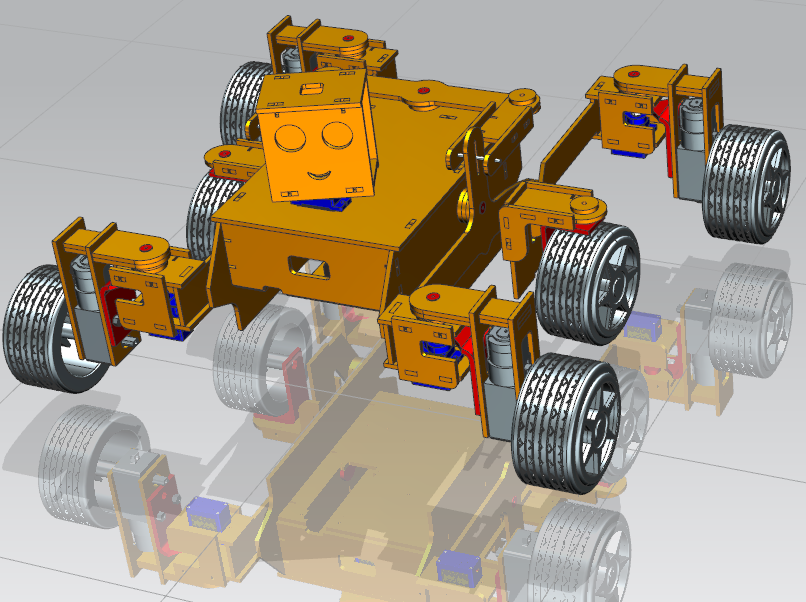
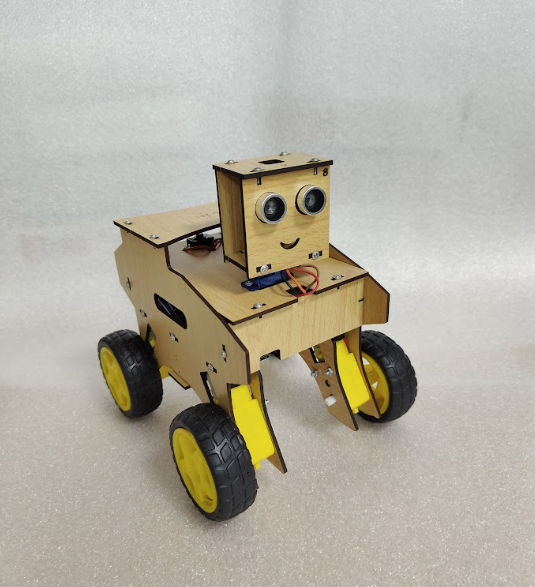
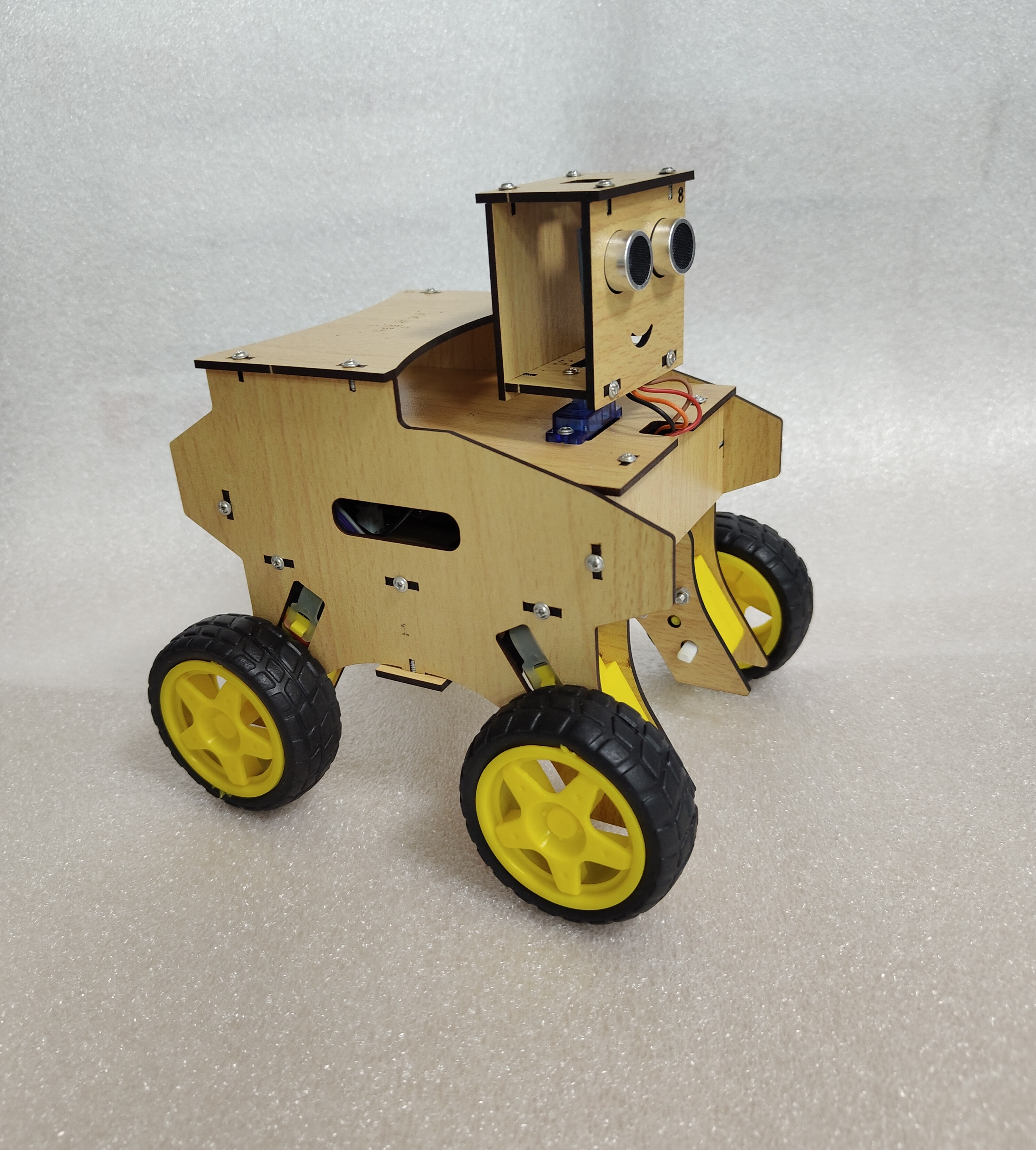
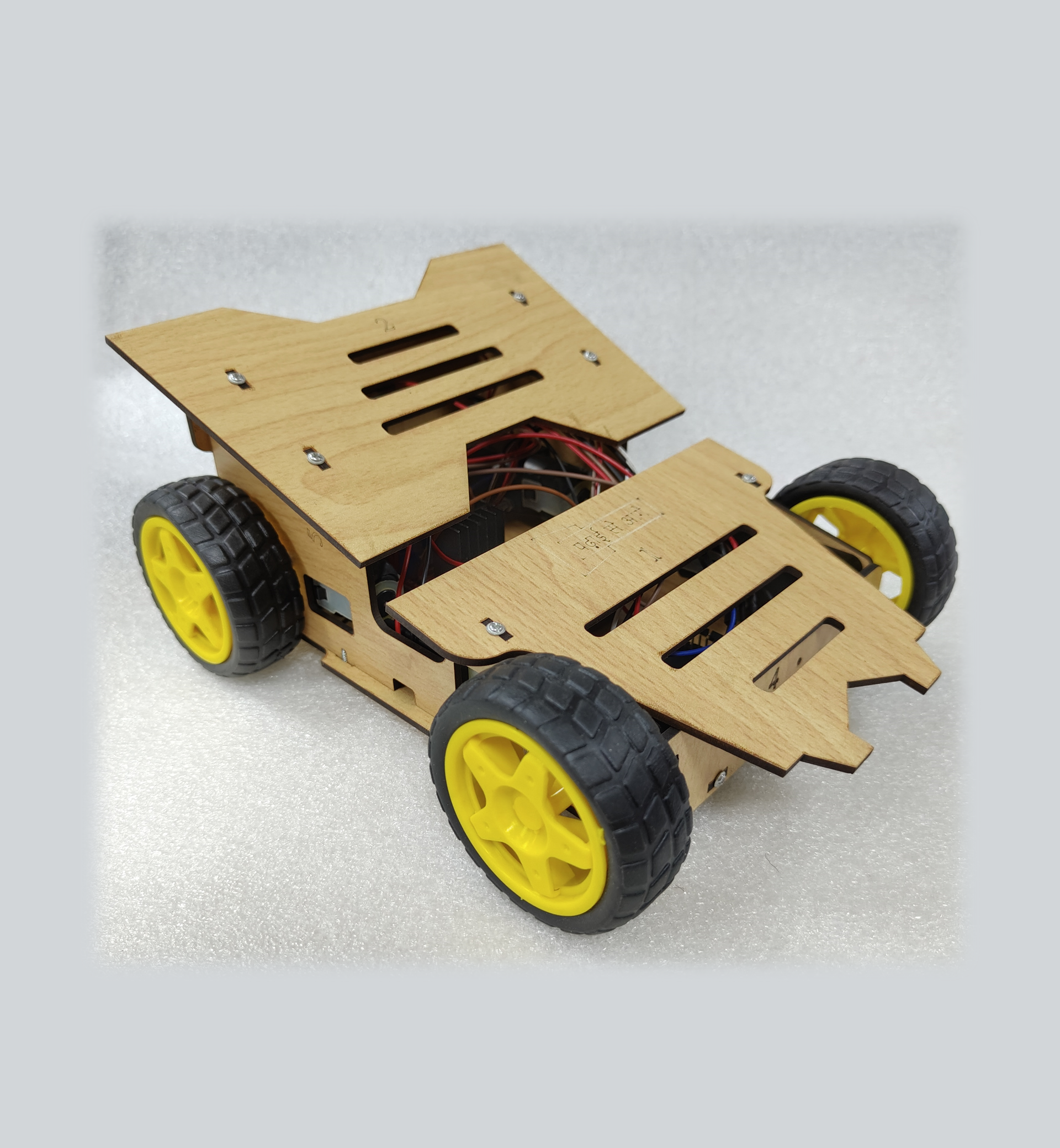
Gemini said AppBot: Your Web-Controlled Companion Unleash the power of the web with AppBot, your customizable NodeMCU-powered robot! This ingenious creation puts control right at your fingertips through a simple web browser interface.
₹2,200

This lightweight, hands-on model boat is built using foam and wood, powered by dual rear propellers connected to motors. A top-mounted battery holder and circuit board enable remote control functionality, making it an excellent educational project for exploring electronics, propulsion, and basic engineering principles.
₹800

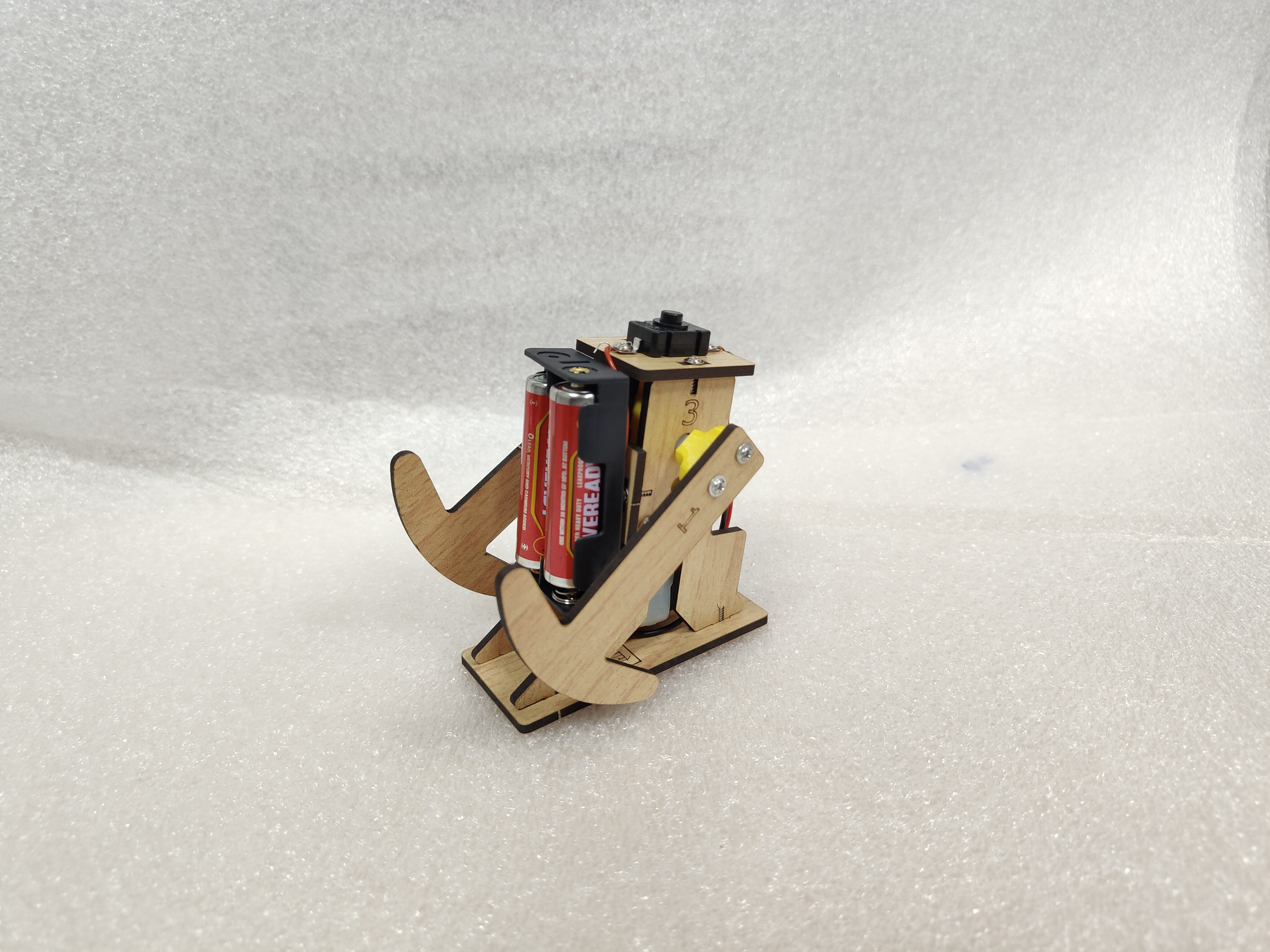
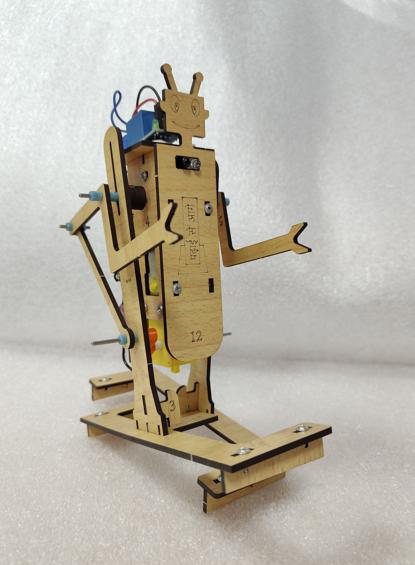
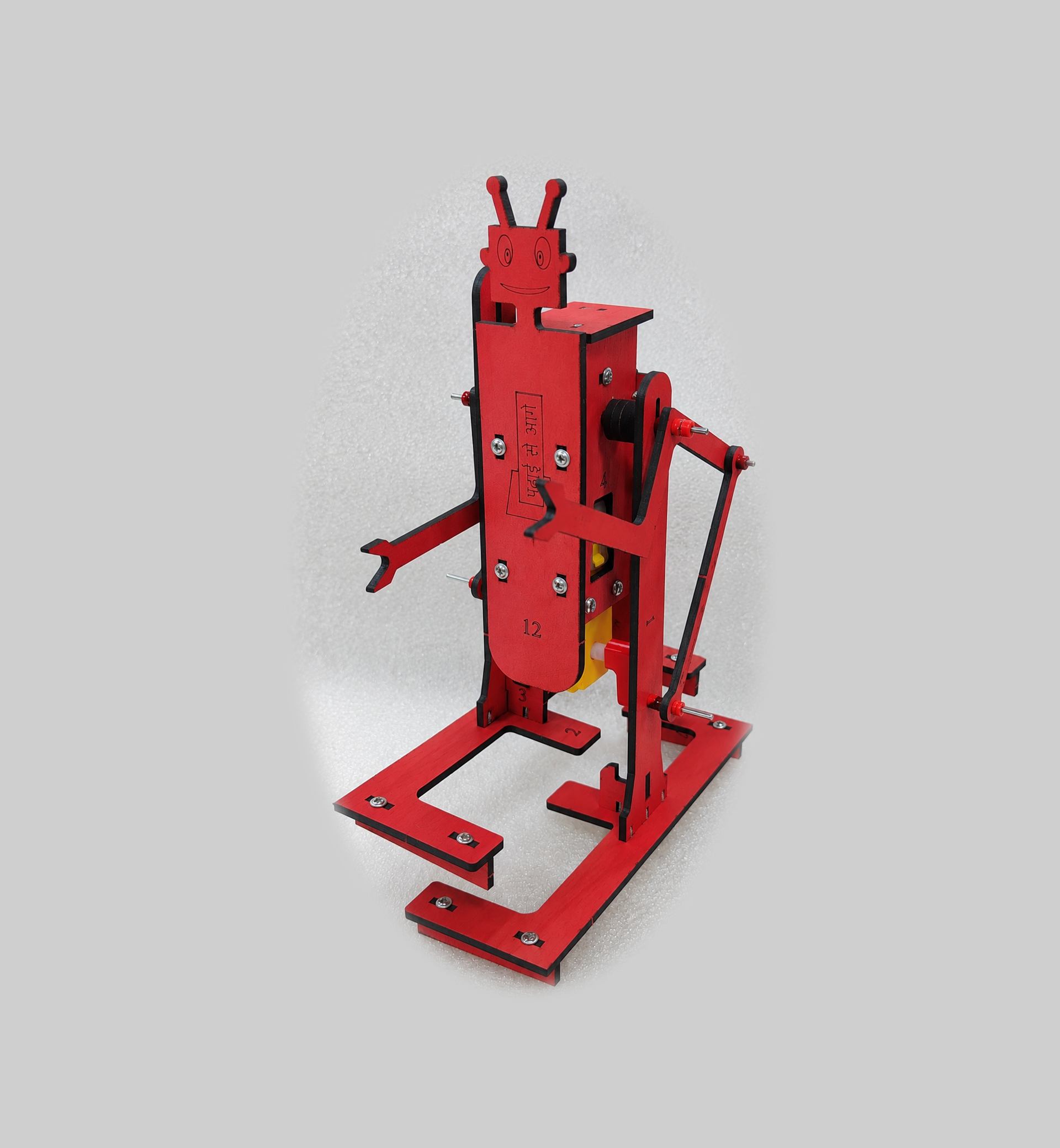
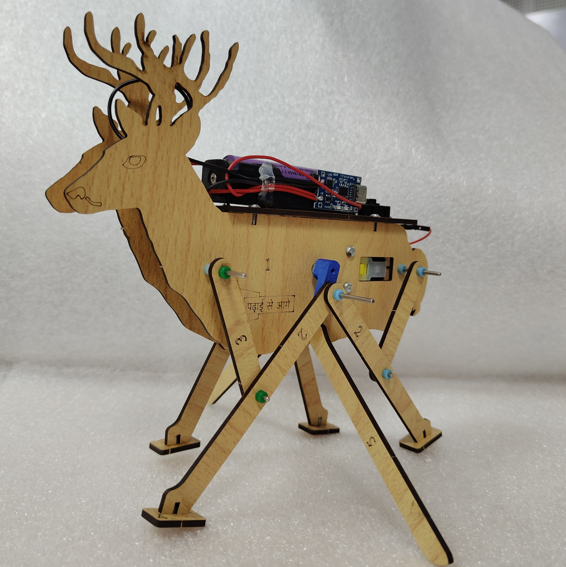
The Jumping Robot isn't just a toy; it is a child's first lesson in Kine cs. It answers the ques on: 'How do we make things walk without wheels?' By building this, students stop seeing ba eries as 'magic' and start understanding them as 'fuel' for their creations. These high-quality 3D wooden puzzles feature precise laser-cut components.
₹750

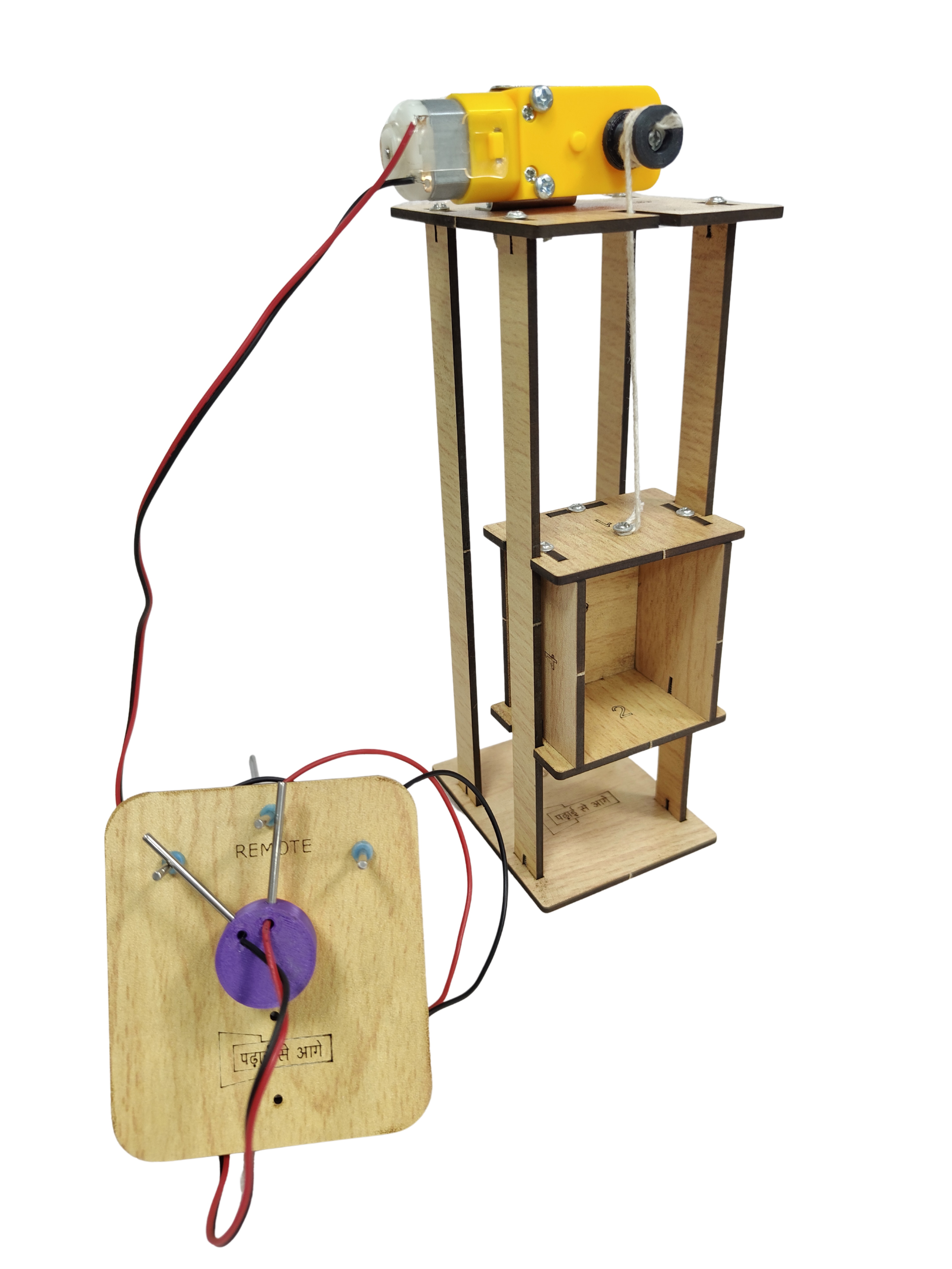
Worm Gear Mechanism: The motor uses a white worm gear to drive a larger orange spur gear. This setup provides high torque and prevents the elevator car from sliding down when the motor stops. Electric Motor: A small DC motor powers the system, typically operated by a battery pack (not shown) with a simple forward/reverse switch to control the lift's direction. Laser-Cut Wood: The structure is made from eco-friendly, laser-cut plywood, making it easy to assemble without complex tools. Pulley System: A string connects the gear shaft to the elevator cabin, demonstrating how rotational motion is converted into linear vertical movement.
₹950

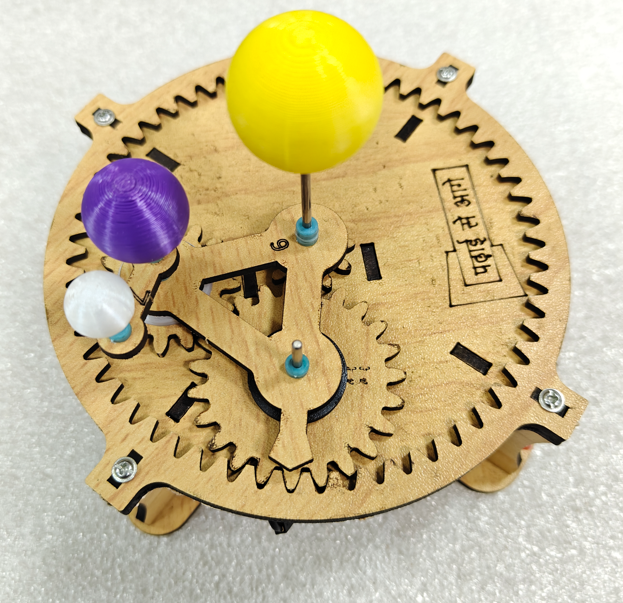
The Planetary System project brings the textbook diagram to life. It answers the confusing ques on: 'Why do we have Day & Night, and how does the Earth travel around the Sun?' By building this mechanical model, Class 4 students don't just memorize the solar system—they build the gears that run it, blending Astronomy with Mechanical Engineering.
₹1,000

This isn't just a robot; it is a lesson in Biomimicry and Modern Electronics. It answers two big ques ons: 'How do insects walk over rough ground?' and 'How do we power machines sustainably?' By building this, students learn about complex mechanical linkages and move away from use-and-throw ba eries to Rechargeable Technology, just like in Electric Vehicles and Smartphones.
₹1,000

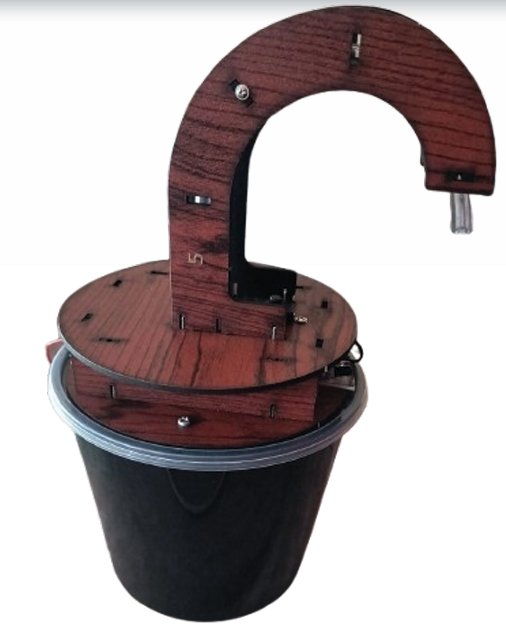
The Automa c Water Dispenser is a step into the world of Automa on and Smart Hygiene. It answers the ques on: 'How do taps in malls open automa cally when we put our hands under them?' By building this, students learn the core principle of robo cs-Input (Sensor) → Process (Relay)→ Output (Pump)-turning them from users of technology into creators of smart systems.
₹1,200